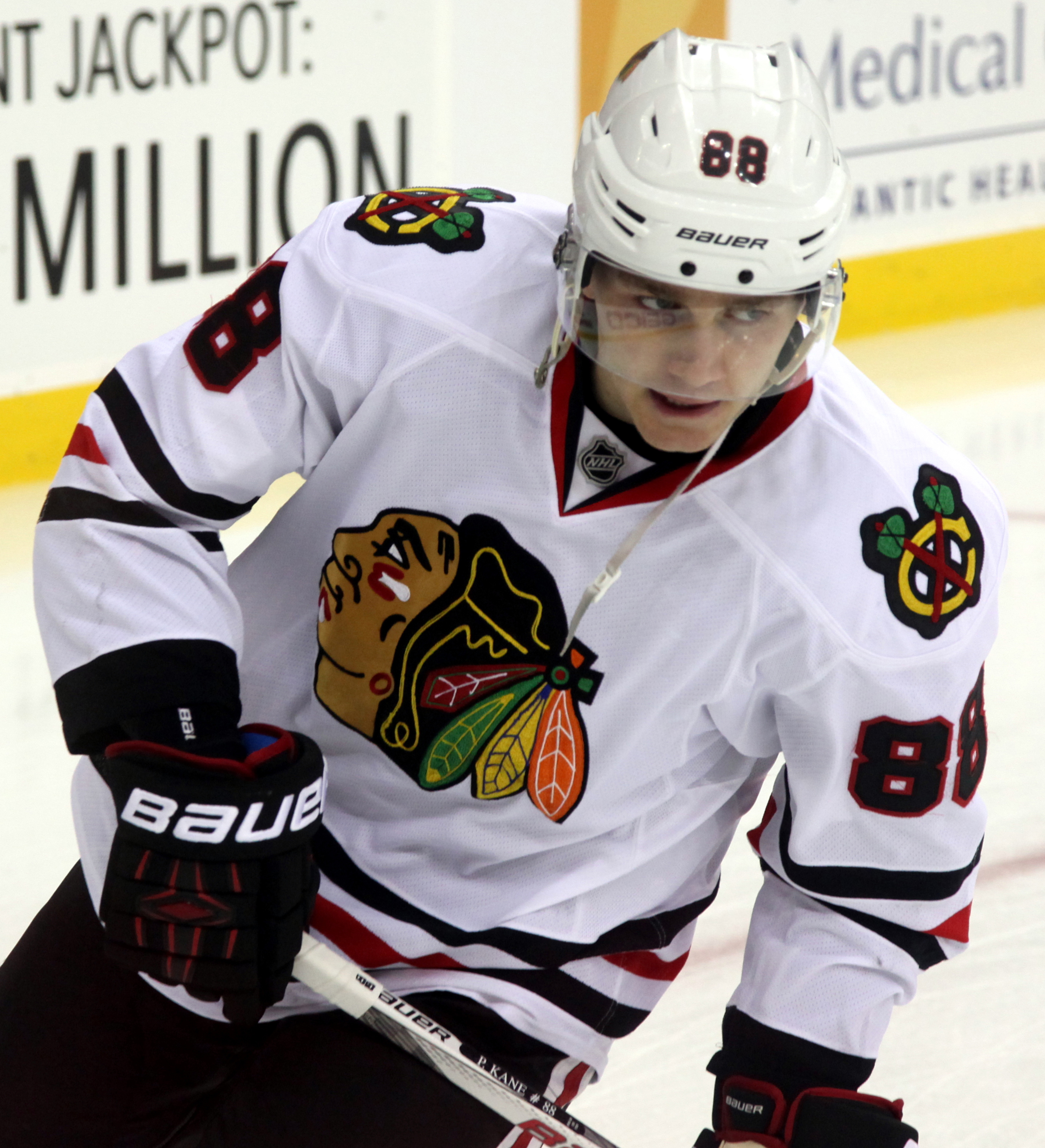
Patrick Kane's first press conference after re-signing with the Blackhawks on a 2-year, $8M AAV deal was a deliberate reframe: not a victory lap for a franchise legend, but a competitive argument from a 37-year-old who says the team is on the rise.
Patrick Kane stood at the United Center podium Friday — less than 24 hours after signing a two-year contract at $8 million per year — and immediately tried to kill the narrative that's going to dog him all season.
"It's not like I'm coming back home to ride off into the sunset," Kane said at his first media availability as a Blackhawk since GM Kyle Davidson shipped him to the Rangers in 2023. "I want to be a big player here and help the team win."
It was a careful opening from someone who understands that sentimental re-signings and competitive re-signings look identical on the transaction wire. The $8M AAV with a full no-movement clause is real money — a massive raise over the $2.75-to-$4 million he made across three seasons in Detroit — and the obvious read is that Davidson gave the city a crowd-pleaser at a premium. Kane, 37 and entering his 20th NHL season, was selling a different story.
"Obviously the story is great, coming back to Chicago and being a Blackhawk again," he said. "But most importantly, it was about coming to a team where I think I can fit in well, a team that's on the rise."
The numbers give his argument more oxygen than skeptics expected. Kane posted 57 points in 67 games for Detroit last season — still a legitimate top-six output — though Second City Hockey's breakdown flagged a trend worth monitoring: 38.7% of his Red Wings points came on the power play, compared to 27.8% during his peak Chicago years. That shift matters in the context of a team that ranked bottom-five in power-play efficiency last season and 32nd in expected goal share at five-on-five. If Kane can move that power play, the $8M has a case. If his even-strength game has softened, it's a trickier ledger.
The mentor dimension is the other column in the ledger. Connor Bedard had lobbied publicly for the signing and is the reason Kane matters in the building — but Bedard doesn't play until approximately mid-November, still recovering from left shoulder surgery. The young players Kane will actually live with in practice first are forwards like Frank Nazar, who signed a seven-year extension earlier this month, and a roster where Teuvo Teräväinen is the last active survivor from Kane's three Stanley Cup teams. These are the players Davidson has in mind when he frames the re-signing as veteran scaffolding, not nostalgia.
Kane acknowledged the role while pushing back on the framing. "I want to be a big leader and help the team take the next steps," he said, "but I want them to view me as their teammate."
On Bedard, eventually: "This will be my 20th year in the league, and I'll probably see passes I've never seen before playing with him."
Three years ago, Davidson explained the original Kane trade as creating space for a new generation to step into leadership without deferring to franchise legends. He's now paying one of those legends $8 million to help the new generation get there faster. Whether that's a contradiction or a pivot is going to depend on a power-play percentage and a shooting rate — not the reunion story.